Gym Sock Season: When Goldenrod Takes Over
Post-Treatment Hive Management
Mission accomplished! We successfully pulled our Apivar strips after placing them on August 30th, 2025, giving our bees the full six-week treatment recommended for effective Varroa mite control. This timing worked perfectly - treatment completed just as we’re entering the crucial fall preparation period.
Equipment Storage Update
Following our wax moth storage strategy, we’ve put all our wax deep frames from this year into storage using our new protocol:
- ✅ Heavy-duty plastic bags - 6-mil contractor grade
- ✅ Wax moth crystals - Proper dosage applied
- ⚠️ Some casualties - Found wax moth activity and had to discard a few frames
Fingers crossed the crystals eliminate the remaining pests! We’ll monitor through winter and report results in spring.
The Olfactory Adventure Begins
But let’s talk about the real news - the bees have begun to stink.
Not in a subtle, “hmm, something’s different” way. We’re talking about a half-acre radius of unmistakable aroma that hits you like a wall. Welcome to Gym Sock Season - what we call the goldenrod honey flow!
Our First-Year Panic
💭 Rookie Mistake Alert: During our first year of beekeeping, this smell led us to believe we had dead animals somewhere in our bee yard. We spent hours searching for the source, checking under equipment, looking in tall grass… only to discover it was coming directly from our thriving, healthy hives!
The smell of concentrated goldenrod pollen processing is truly overpowering - imagine wet gym socks mixed with a hint of roadkill, and you’re getting close to the aromatic experience.
Understanding Goldenrod: The Science Behind the Stench
Botanical Background
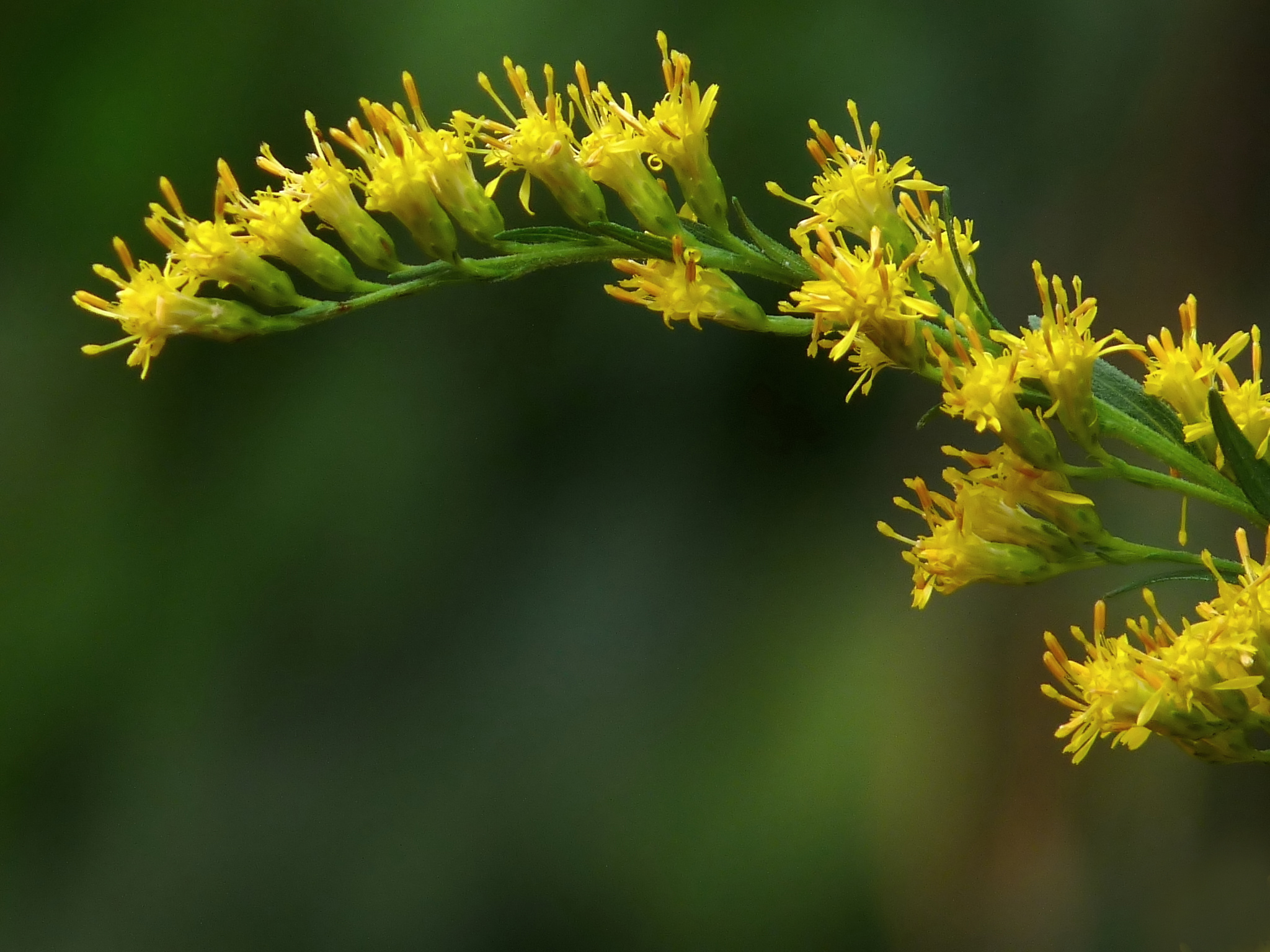
Goldenrod (Solidago species) is a late-season powerhouse that blooms from late August through October across much of North America. Despite its terrible reputation for causing allergies (which is actually ragweed’s fault), goldenrod is:
- 🌼 Bee-friendly - Rich in nectar and pollen
- 🍯 Productive - Provides substantial fall honey flow
- 🌿 Widespread - Found in fields, roadsides, and wild areas
- 💪 Hardy - Blooms even after light frosts
Why Does It Smell So Bad?
The distinctive “gym sock” aroma comes from:
Chemical compounds in goldenrod pollen and nectar that concentrate in the hive Processing activity - thousands of bees working the nectar creates concentrated odors Moisture content - fresh nectar has high water content that amplifies smells Temperature effects - warm fall days intensify the aromatic experience
Goldenrod vs. Ragweed: Setting the Record Straight
| Plant | Goldenrod | Ragweed |
|---|---|---|
| Flowers | Bright yellow, showy | Small, green, inconspicuous |
| Pollen | Heavy, sticky (bee-pollinated) | Light, airborne (wind-pollinated) |
| Allergies | Rarely causes issues | Major allergen culprit |
| Bee Value | Excellent nectar/pollen source | Poor bee plant |
| Bloom Time | Late summer through fall | Same period (that’s the confusion!) |
Poor goldenrod gets blamed for ragweed’s crimes every fall!
The Honey Harvest Dilemma
Characteristics of Goldenrod Honey
Despite the horrific processing smell, goldenrod actually produces excellent honey with unique characteristics:
🍯 Color: Deep amber to dark brown 🍯 Flavor: Rich, robust, slightly spicy 🍯 Texture: Tends to crystallize quickly 🍯 Aroma: The final product smells much better than the processing!
Harvest Timing Considerations
The big question: Do we harvest goldenrod honey or leave it for the bees?
Pros of harvesting:
- Unique, flavorful honey variety
- Prevents rapid crystallization in combs
- Market value for “fall wildflower” honey
Cons of harvesting:
- Removes winter stores from bees
- Processing during peak stink season
- May need supplemental feeding
Our Approach: Selective Harvesting
We’ve learned to take a balanced approach:
- Assess colony stores first - Ensure adequate winter reserves (40-60 lbs)
- Harvest excess only - Leave plenty for bee consumption
- Time extraction carefully - Process quickly to minimize odor exposure
- Ventilation is key - Open all windows and doors in honey house!
Managing Hives During Goldenrod Season
Inspection Strategies
Timing is everything during gym sock season:
- 🌅 Early morning inspections - Before the day heats up and intensifies odors
- 💨 Work upwind - Position yourself to avoid the worst of the smell
- 👃 Nose plugs recommended - No shame in protecting your olfactory system!
- ⚡ Quick, efficient work - Get in, assess, get out
What to Look For
During this period, focus on:
- Population levels - Are colonies building for winter?
- Food stores - How much goldenrod honey are they storing?
- Queen status - Is she still laying for winter bees?
- Mite levels - Post-treatment monitoring
- Equipment condition - Prepare for winter setup
Neighbor Relations
Pro tip: This is the time of year to warn your neighbors about the smell! A simple heads-up can prevent:
- Concerned calls about “dead animals”
- Complaints about bee yard odors
- Misunderstandings about hive health
“Don’t worry, they’re not dying - they’re just making really smelly honey!”
The Silver Lining of Stinky Season
Fall Flow Benefits
Despite the aromatic challenges, goldenrod season provides:
Late-season nutrition for winter prep Modest honey surplus for harvest or bee stores Protein-rich pollen for winter bee development Extended foraging season before winter shutdown
Building Winter Stores
The goldenrod flow often provides that crucial final boost of stores that can make the difference between a colony that thrives through winter and one that struggles.
Colony weight gains during this period can be substantial - we’ve seen hives add 20-30 pounds during a good goldenrod flow!
Survival Tips for Beekeepers
Dealing with the Smell
Practical strategies we’ve developed:
- 🧴 Vicks VapoRub under the nose - Old medical trick that works
- 😷 Quality respirator mask - Protects against more than just smell
- 🌬️ Work during breezy days - Natural ventilation helps
- 🚿 Shower immediately after - The smell clings to clothing and hair
- 👕 Dedicated “stinky season” gear - Clothes you don’t mind discarding
Timing Your Activities
Strategic scheduling makes a huge difference:
- Avoid hot, humid days - Smell is most intense
- Early morning is best - Cooler temps, less odor concentration
- Post-rain inspections - Moisture can intensify aromas
- Weekend work - Give yourself recovery time!
Looking Forward: The End is Near
When Does It End?
The good news? Gym sock season is finite!
- 🌡️ First hard frost typically ends goldenrod blooming
- 📅 Mid to late October in most regions
- 🍂 Seasonal transition shifts bees to winter mode
- 😮💨 Sweet relief returns to the bee yard
Preparing for Winter
As goldenrod winds down, we shift focus to:
- Final hive assessments - Winter readiness checks
- Mouse guard installation - Prevent rodent intrusions
- Equipment winterization - Secure loose items
- Feed supplementation - Top off stores if needed
- Documentation - Record colony conditions and stores
The Beauty in the Beast
Appreciating the Process
While gym sock season tests every beekeeper’s dedication, it’s also a reminder of the incredible complexity of bee biology and seasonal rhythms. Our girls are:
- Working tirelessly to process this abundant resource
- Building winter stores from less-than-pleasant raw materials
- Converting stinky nectar into delicious honey
- Preparing for months of winter survival
A Rite of Passage
Every experienced beekeeper has gym sock season stories. It’s almost a rite of passage - you haven’t really been through a full beekeeping year until you’ve experienced the full olfactory assault of peak goldenrod processing!
The smell may be overwhelming, but it signals healthy colonies making final preparations for winter. Soon enough, the frost will end goldenrod season, the smell will fade, and we’ll be left with the satisfaction of colonies well-prepared for the cold months ahead.
Stay strong, fellow beekeepers - spring and pleasant hive aromas will return! 🐝🌸
Related Posts
- Wax Moth Storage Strategy - Our winter equipment protection plan
- Summer Preparation Guide - Setting up for successful treatments
- Apivar Treatment Timeline - Our mite management protocol