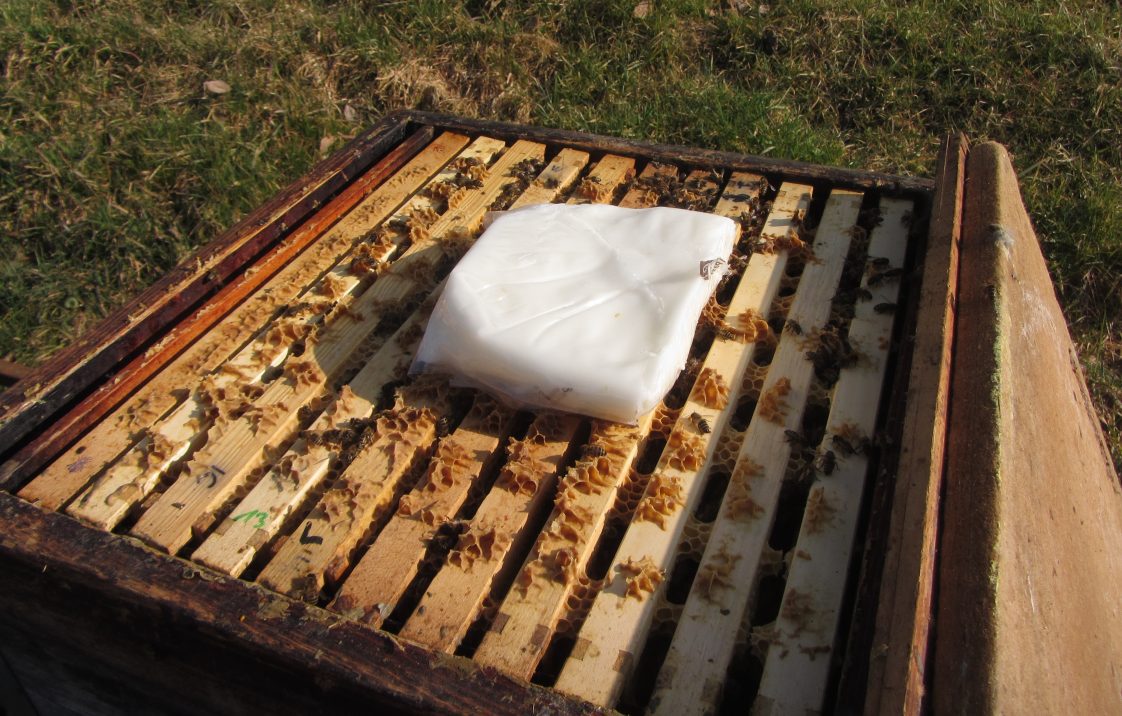
Winter Work and Feeding: Preparing 9 Hives for the Cold Months
Looking Ahead: A Year of Strategic Change
With 9 hives currently in the yard, this season marks a turning point in how we manage our apiary. The challenge of identifying and tracking each box has made it clear that we need to streamline our operation. Our goal for next year is ambitious but necessary: reduce down to 4-5 production hives while building quality replacement stock.
The Plan: Strategic Hive Reduction & Sales
From 9 Hives to 5
Here’s our roadmap for spring:
Target: Sell at least half the hives by spring
The Strategy:
- Keep: 5 hives total (1 support hive + 4 production hives)
- Build: 4 nucs over winter for sale
- Split: 4 hives - retain the requeened hives for sale
- Total to Sell: ~8 hives in spring (pending winter survival)
This consolidation will make management more practical while maintaining our productive capacity and building quality nucs from our best stock.
Winter Feeding: Managing Risk
While we believe our current hives are well-positioned to survive winter without intervention, we’re taking a proactive approach rather than a reactive one.
The Hives of Concern
The following hives are candidates for supplemental feeding if weather permits:
- Dinosaur Box
- The Grey Tiger
- Bee Happy
- The Single Tiger
- Polka Dots
Our Feeding Protocol
Opportunity-Based Feeding: During the winter months, we’ll watch for 3+ consecutive days of unseasonable warm weather. When conditions allow:
- Feeding Mix: 1:1 ratio of sugar and water
- Timing: Applied during warm spells
- Risk Management: Better to feed than lose a hive
This low-risk approach gives us the best chance to preserve our winter population.
Ongoing Pest Management
Wax Moth Defense Update
We’re currently using lavender mothballs on stored frames:
🔍 Observation: The lavender scent is not present in the shed, suggesting the sublimation of the moth killer isn’t penetrating the storage bags.
Mite Treatment Schedule
Our integrated approach for mite management spans winter and spring:
December (Weeks 3-4):
- Weekly applications of vaporized oxalic acid
- Targets the broodless or low-brood period
- Most effective during the darkest weeks of winter
Spring (Pre-Honey Flow):
- Formic Pro treatment (timing pending weather and brood patterns)
- Applied before honey flow begins
This two-pronged approach during the vulnerable winter period gives us our best chance at managing mite populations naturally and sustainably.
The Darkest Weeks Ahead
The third and fourth weeks of December represent the darkest part of the year – and our opportunity. With minimal daylight and minimal brood, we’ll make maximum use of oxalic acid treatments while brood levels are lowest, setting ourselves up for a healthier spring ahead.