Summer Preparation: The Key to Winter Bee Survival
The Golden Rule of Beekeeping: Summer Sets the Stage
Hey y’all! 👋
As beekeepers, we know that winter preparation begins in summer. While it might seem counterintuitive to think about cold weather during the heat of July, this is when our colonies need the most attention to ensure they thrive through the harsh months ahead.
Why Summer Preparation is Critical
The Science Behind Summer Management
During summer, our bees are at their peak population and productivity. This is the perfect time to:
- Build strong populations for winter cluster formation
- Address Varroa mite infestations before they compromise colony health
- Ensure adequate food stores for the months when foraging is impossible
- Assess and improve hive conditions while weather permits regular inspections
Local Honey Flow Considerations
🍯 Regional Insight: We’re fortunate to get a small fall honey flow in our area that helps bolster the hives, but we can’t rely on this alone. As responsible beekeepers, we must set them up for success during the abundant summer months.
Our Integrated Mite Management Protocol
Varroa mites remain the #1 threat to honeybee colonies. Here’s our seasonal treatment strategy:
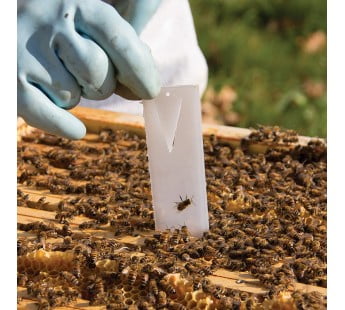
🌻 Summer Treatment: Apivar Strips
- When: July - August
- Duration: 6-8 weeks
- Target: Peak mite reproduction season
- Advantage: Applied when colonies are strong and can handle treatment stress
🍂 Fall/Winter Treatment: Oxalic Acid
- When: Late fall through winter
- Application: During broodless periods
- Target: Adult mites not protected in brood cells
- Method: Vaporization or dribble method
🌱 Early Spring Treatment: Formic Acid
- When: Early spring buildup
- Purpose: Catch overwintered mites before population explosion
- Benefit: Penetrates capped brood cells
Treatment and Honey Production: Keeping It Clean
Our Quality Standards
Honey purity is non-negotiable. While some treatments can technically be applied with honey supers in place, we choose to avoid this practice entirely. Here’s why:
| Treatment | Can Use with Supers? | Our Practice |
|---|---|---|
| Apivar | ❌ Never | Remove all supers |
| Oxalic Acid | ✅ Yes (winter) | Applied during off-season |
| Formic Acid | ⚠️ Limited conditions | Remove supers to be safe |
Clean Honey Protocol
- Remove all honey supers before any treatment
- Complete full treatment cycle per manufacturer guidelines
- Wait appropriate withdrawal periods before replacing supers
- Test honey periodically to ensure purity standards
Summer Preparation Checklist
📋 Essential Summer Tasks
Population Management
- Assess queen performance - Is she laying well?
- Monitor brood pattern - Solid, healthy brood?
- Evaluate colony strength - Adequate bee coverage?
- Add supers as needed - Stay ahead of nectar flow
Health & Treatment
- Conduct mite monitoring - Alcohol wash or sticky boards
- Apply Apivar strips - Follow label instructions exactly
- Check for diseases - American foulbrood, nosema, etc.
- Ensure ventilation - Adequate airflow for summer heat
Food & Resources
- Monitor honey stores - 40-60 lbs for winter
- Provide water source - Essential during hot weather
- Consider supplemental feeding - If natural sources are scarce
- Plant bee-friendly flowers - Support late-season foraging
Equipment & Maintenance
- Inspect hive bodies - Repair or replace damaged equipment
- Clean and organize - Maintain good hive hygiene
- Prepare winter equipment - Mouse guards, entrance reducers
- Document everything - Keep detailed records
Regional Timing Considerations
Our Local Schedule
July - Early August:
- Peak Apivar treatment window
- Monitor for swarm cells
- Harvest spring honey crop
Late August - September:
- Continue mite monitoring
- Begin assessing winter stores
- Prepare for fall management
October - November:
- Remove Apivar strips
- Fall feeding if necessary
- Install mouse guards
Looking Ahead: Setting Up for Success
Summer preparation isn’t just about surviving winter—it’s about thriving year-round. The effort we invest now in July sets the foundation for:
- Strong overwintering colonies
- Rapid spring buildup
- Productive honey seasons
- Sustainable beekeeping practices
Remember: Every inspection, every treatment, every management decision made in summer echoes through the entire beekeeping year.
Ready to dive deeper into summer hive management? Follow our blog for detailed treatment guides, seasonal checklists, and real-world beekeeping insights from our apiary to yours! 🐝